Duration
6 Days / 5 Nights (Feb 13 – 18)


A 6-day sacred Ramayana pilgrimage through Nashik, Panchavadi, Hampi, Anjanadri, Nava Brindavanam and Kishkinda, with upanyasam by revered Sri Vaishnava Acharya.
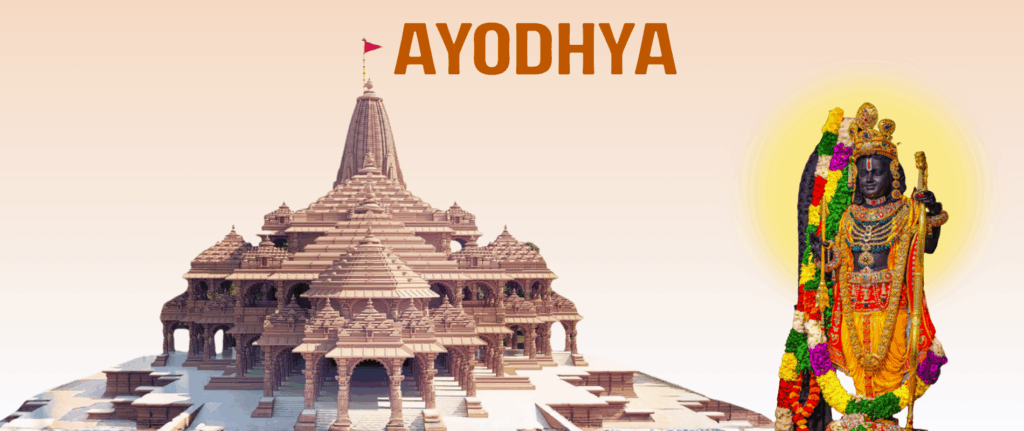
“Chaar Sau Saal ke Baad…” – The Return of the King :
The phrase that we often hear is, “Chaar sau saal ke baad, Bhagavan Shri Ram phir aaye hain.” Ayodhya today stands as a living example of how Rama Rajya once was. On the 22nd of January 2024, our beloved Sri Rama finally had His temple rebuilt after the heart-wrenching demolition of His own temple nearly 400 years ago by the Mughal king Babur.
Ayodhya – A Fragment of Vaikuntha on Earth :
Ayodhya is a part of Vaikuntha that was given to Brahma. Brahma, in turn, passed this divine land to his son Swayambhuva Manu, who placed it in Bhu Loka on the banks of the sacred River Sarayu.
Why Ayodhya Is Invincible :
The word Yuddha means two things in Sanskrit—one, war, and the other, penetration. Ayodhya is the divine Rajya which is impenetrable. Such is the greatness of this Kshetram, the sacred birthplace of Sri Rama.
Guptar Ghat – The Gateway to Moksha :
When Sri Rama departed to Vaikuntha, He led all the people of Ayodhya into the River Sarayu. This sacred place is known even today as Guptar Ghat. From there, from grass to humans, all were granted Moksha.
The Foremost of the Moksha Sthalas :
Among the seven Moksha Sthalas, Ayodhya ranks first. It is said that performing Godhana on the banks of the River Sarayu is highly auspicious. Though it may not be possible today, performing acts of goodness—such as giving charity to the poor in Ayodhya—bears equal spiritual fruit.
Kanak Bhavan – The Palace of Divine Birth :
Kanak Bhavan was the palace of King Dasharatha, where he performed the sacred Putra Kameshti Yajna, and where Sri Rama was born. In ancient times, before the Mughal invasions, this palace was said to be made of gold, but it suffered severe destruction during later invasions.
Hanuman Garhi – The Eternal Protector :
Near Kanak Bhavan stands Hanuman Garhi, from where Lord Hanuman eternally protects the whole of Ayodhya.
Unbroken Bhakti Through Endless Trials :
Even though our temples were subjected to countless invasions, and our ancestors faced killings, robberies, and unimaginable suffering, our Bhakti towards Rama has remained unshaken. Bhakti is Rama’s most beloved place of dwelling. That is the power of Sanathana Dharma.
The Eternal Truth :
Where Bhakti resides, Rama resides.
Where Rama resides, Dharma thrives.
JAI SRI RAM !!
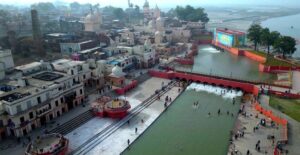
Ayodhya is the divine Janmabhoomi of Lord Sri Rama, revered as the eternal city where dharma, devotion, and righteousness were established through the life and reign of Maryada Purushottama.

Naimisharanya is the ancient forest where sages performed intense penance and divine discourses were revealed, making it one of the most sacred spiritual centers of Hindu tradition.
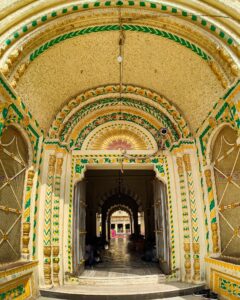
Kanak Mahal is believed to be the golden palace gifted to Goddess Sita after her marriage, symbolizing divine prosperity, harmony, and the royal grace of Ayodhya.
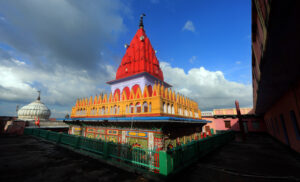
Hanuman Garhi is a powerful hilltop shrine dedicated to Lord Hanuman, revered as the protector of Ayodhya and the supreme devotee of Lord Sri Rama.
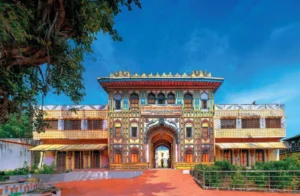
Dasharatha Mahal is the ancestral palace of King Dasharatha, where Lord Sri Rama spent His childhood and royal traditions of dharma were upheld.
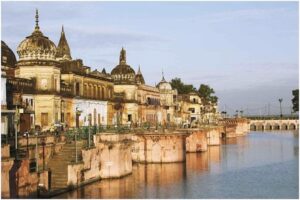
The Sarayu River is considered highly sacred, where ritual bathing is believed to cleanse sins and bestow spiritual purity and liberation upon devotees.
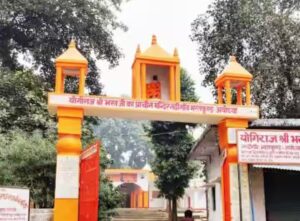
Nandigram is the holy place where Bharata ruled Ayodhya as a humble servant of Lord Rama, preserving the Lord’s sandals as the symbol of divine kingship.
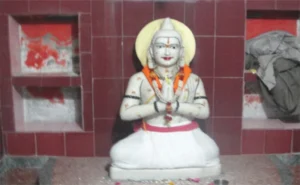
This revered spot commemorates the divine meeting of Bharata and Hanuman, symbolizing unity, surrender, and unwavering devotion to Lord Sri Rama.
6 Days / 5 Nights (Feb 13 – 18)
Accommodation, local transportation, temple guidance, satsangs, basic assistance and coordination throughout the Yatra.
Personal expenses, special pooja charges, additional food items, and anything not specifically mentioned as included.
Comfortable cotton clothing, walking footwear, personal medicines, small notebook & pen for upanyasam notes, water bottle and a light shawl/angavastram for temple visits.
Ramayana Devotees Sri Vaishnava Families Senior Devotees Bhagavatha Ghoshti
“Beautifully organised Yatra! Each kshetra was explained in detail and the discourses made the Ramayana come alive. A truly blessed experience.”