Inclusions
Stay arrangements, local travel support, temple darshan assistance, spiritual sessions, and continuous on-ground coordination during the yatra.


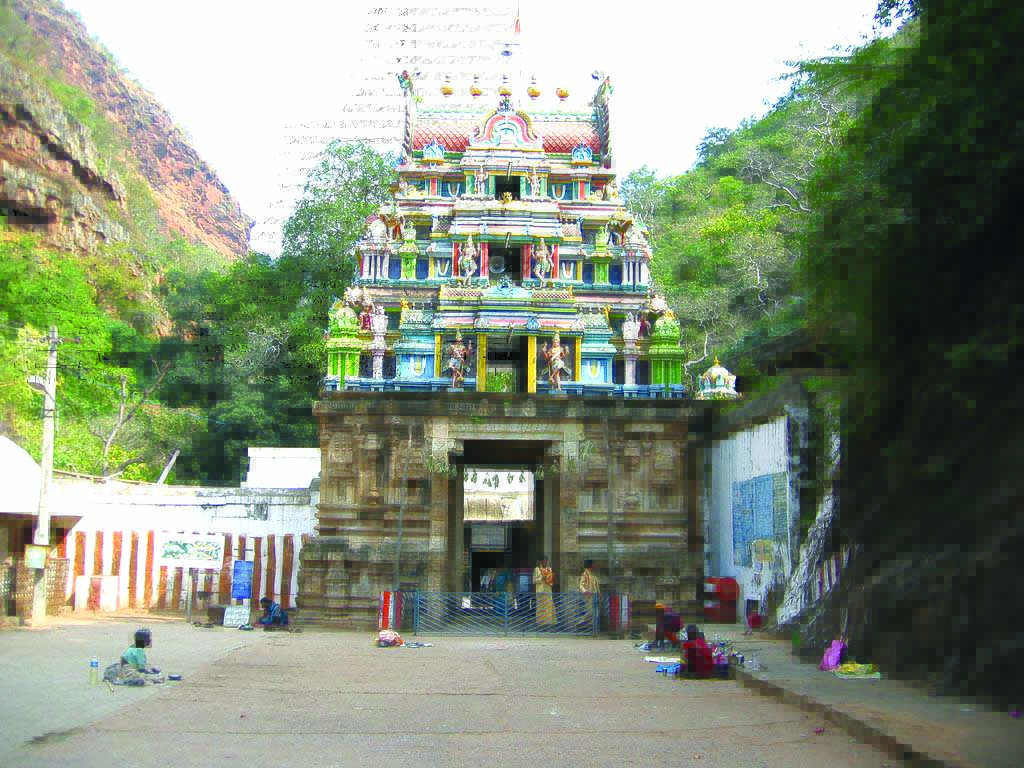
Ahobilam Nava Narasimhar Divya Desam is a sacred Sri Vaishnava kshetram (வைணவத் தலம்), situated amidst the dense forests of the Nallamala Malai (நல்லமலா மலை) in Andhra Pradesh. This is the divine place where Sri Narasimha Perumal manifested in Nava Roopams (Nava Narasimhar) to protect Prahlada Azhwar and establish Dharma
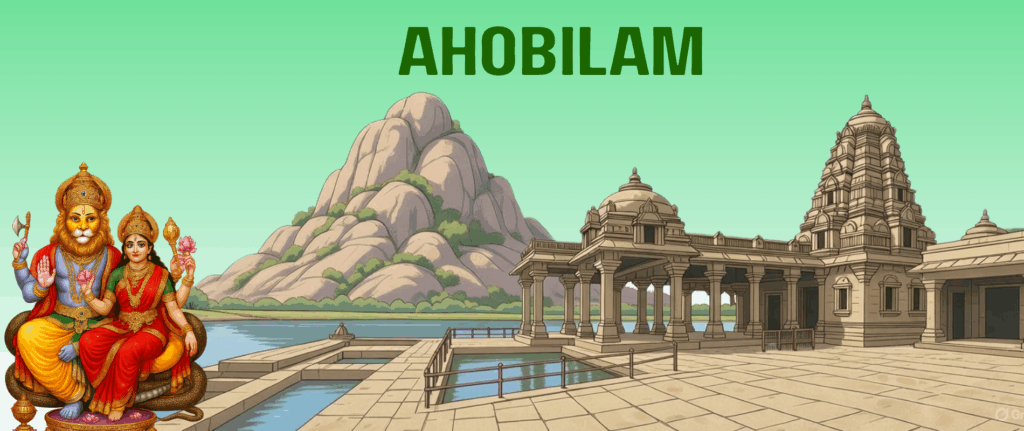
The Ahobilam Nava Narasimhar Divya-Desa Yatra is a sacred pilgrimage to one of the most powerful Divya Desams dedicated to Sri Narasimhar Perumal. Ahobilam is revered for the Lord’s nine divine manifestations that protect devotees and uphold Dharma. Ahobilam (அகோபிலம்) is also known as Thiru Singavelkundram (திருசிங்கவேள் குன்றம்) எனவும் அழைக்கப்படும்.
The Nava Narasimhar temples are spread across Upper Ahobilam and Lower Ahobilam (மேல் அஹோபிலம் மற்றும் கீழ் அஹோபிலம்), symbolizing protection, courage, devotion, and divine justice. Ahobilam holds a revered place in the Sri Vaishnava Sampradaya, as Sri Ramanujacharya established proper temple worship, rituals, and Vaishnava traditions at this Divya Desam.
Ahobilam is revered as the Sacred Abode of Nava Narasimha and is celebrated as the Divine Hill of Lord Narasimha. This sacred kshetram holds a unique place in Sri Vaishnava tradition, as it is the holy land where Lord Narasimha manifested in multiple divine forms to protect devotees and uphold dharma.
The Moolavar worshipped at Ahobilam is Lord Narasimha in His nine sacred manifestations, collectively known as Nava Narasimha. These divine forms are worshipped as Sri Jwala Narasimha Swamy, Sri Ahobila Narasimha Swamy, Sri Malola Narasimha Swamy, Sri Karanja Narasimha Swamy, Sri Varaha Narasimha Swamy, Sri Bhargava Narasimha Swamy, Sri Yogananda Narasimha Swamy, Sri Chatravata Narasimha Swamy, and Sri Pavana Narasimha Swamy. Each form represents a unique aspect of the Lord’s power, compassion, and protective grace.
The presiding Thayars of Ahobilam are Sri Lakshmi Thayar, Sri Amruthavalli Thayar, and Sri Senju Lakshmi Thayar, who eternally accompany Lord Narasimha and bless devotees with divine compassion, courage, and spiritual fulfillment.
The sanctity of Ahobilam Divya Desam was glorified through Mangalasasanam by Thirumangai Alwar, the revered Alwar saint. He composed ten (10) pasurams in praise of Lord Narasimha at Ahobilam, which are recorded in the Nalayira Divya Prabandham, affirming the spiritual importance of this sacred hill kshetram.
Through its sacred hills, powerful Narasimha manifestations, and the devotional hymns of Thirumangai Alwar, Ahobilam stands as a profoundly revered pilgrimage destination, offering devotees protection, strength, and divine grace through unwavering devotion to Lord Narasimha.
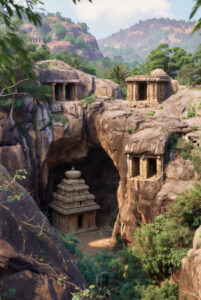
The Nine Cave Temples of Ahobilam represent the Nava Narasimha forms, where Lord Narasimha manifested across caves and hills to protect Prahlada and re-establish dharma, making Ahobilam a unique and powerful Vaishnava kshetram.

Rakta Kunda is believed to have emerged from the blood of Hiranyakashipu after his destruction by Lord Narasimha, symbolizing the Lord’s fierce protection of righteousness and His victory over evil.
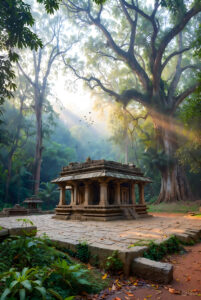
Prahlada’s Gurukul is revered as the sacred place where the young Prahlada studied and practiced pure devotion to Lord Vishnu, remaining steadfast in faith despite severe trials and hardships.

The Bhavanashini River flows through the Ahobilam hills and is considered sacred for its sin-cleansing power, closely associated with the divine presence and grace of Lord Narasimha.
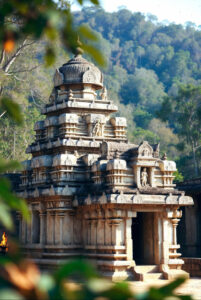
Prahlada Varadam Temple honors Lord Narasimha in His compassionate and blessing-bestowing form, where He grants courage, protection, and boons to devotees, just as He blessed Prahlada.
Stay arrangements, local travel support, temple darshan assistance, spiritual sessions, and continuous on-ground coordination during the yatra.
Personal spending, special rituals or offerings, extra refreshments, and any services not clearly listed under inclusions.
Devotees of the Ramayana, Sri Vaishnava followers, families seeking spiritual travel, senior pilgrims, and participants of bhagavatha satsang groups.
Light cotton attire, comfortable footwear for walking, regular medicines, a small diary for notes, drinking water bottle, and a simple shawl for temple entry.
Good devotional experience.