Inclusions
Stay arrangements, local travel support, temple darshan assistance, spiritual sessions, and continuous on-ground coordination during the yatra.


Badrinath is one of the 108 Divya Desams, the sacred Himalayan shrine where Lord Badri Narayana resides eternally, praised by Nammalwar and Thirumangai Alwar.

Badrinath, revered as the Sacred Abode of Lord Badri Narayana, is one of the holiest 108 Divya Desams and stands as the Divine Himalayan Shrine of Lord Vishnu. Nestled in the majestic Himalayas, Thiru Badrinath Divya Desam holds immense spiritual significance as a place of deep penance, devotion, and divine presence.
The Moolavar worshipped at Badrinath is known by multiple sacred names, reflecting the various divine aspects of Lord Vishnu. He is revered as Sri Badri Narayana Perumal, Sri Badrinatha Swamy, Sri Narayana Perumal, and Sri Vasudeva Perumal. In this sacred kshetram, the Lord is believed to bestow liberation, protection, and eternal grace upon devotees who undertake the pilgrimage with devotion and faith.
The presiding Thayar of Badrinath is Sri Lakshmi Thayar, also worshipped as Sri Badri Lakshmi Devi, who eternally resides alongside Lord Badri Narayana, blessing devotees with prosperity, compassion, and divine abundance.
The spiritual glory of Thiru Badrinath Divya Desam was celebrated by great Alwar saints through their Mangalasasanam. Nammalwar composed eleven (11) pasurams in praise of Lord Badri Narayana, expressing profound devotion and spiritual realization. Additionally, Thirumangai Alwar rendered one (1) pasuram glorifying the Lord of Badrinath, further elevating the sanctity of this divine kshetram. With praise rendered by multiple Alwars, Badrinath holds a unique and exalted place among the Divya Desams.
Badrinath stands as a timeless symbol of divine austerity and devotion, where the sacred presence of Lord Badri Narayana continues to guide and bless devotees on the path of righteousness and liberation.
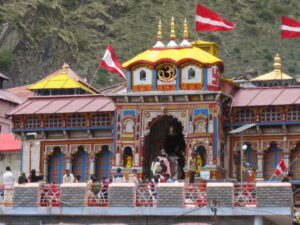
Sri Pancha Badri Yatra is a sacred pilgrimage through the divine Himalayan kshetrams where Lord Vishnu manifested in different forms across time. This yatra offers devotees a spiritually elevating journey through ancient temples, sacred caves, and holy rivers associated with timeless Vaishnava tradition.
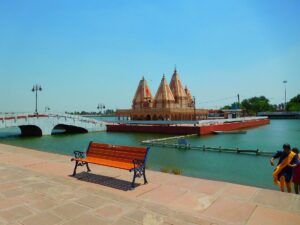
Kurukshetram is the holy battlefield where Lord Krishna delivered the Bhagavad Gita to Arjuna, establishing eternal principles of dharma, karma, and devotion.
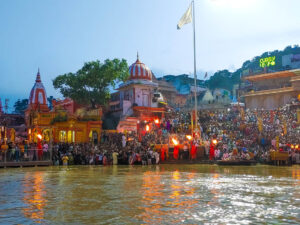
Devprayag is the divine confluence of the Alaknanda and Bhagirathi rivers, from where the sacred Ganga officially takes form and flows toward the plains.
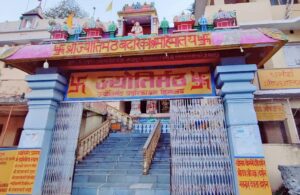
Joshimath is an important spiritual center and the northern Jyotir Matha established by Adi Shankaracharya, serving as the gateway to the Badri kshetrams.
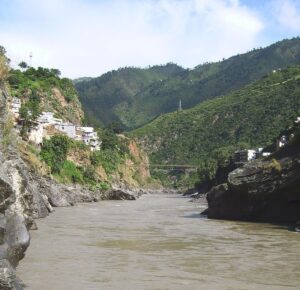
Varaha Sila is the holy stone near Badrinath where Lord Vishnu is believed to have protected the Badri Kshetram in His Varaha incarnation.
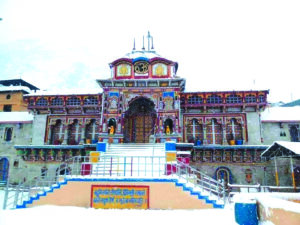
Badrinath is the principal Badri Kshetram where Lord Vishnu is worshipped as Sri Badri Narayanan, eternally residing in meditation for the welfare of the universe.
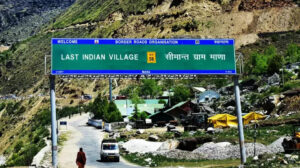
Mana is the ancient village near Badrinath, associated with sage Vyasa and the Pandavas, marking the sacred edge of India’s spiritual geography.
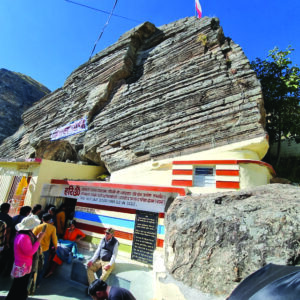
Vyasa Guha is the revered cave where Sage Vyasa composed the Mahabharata and dictated it to Lord Ganesha, making it a cornerstone of spiritual history.
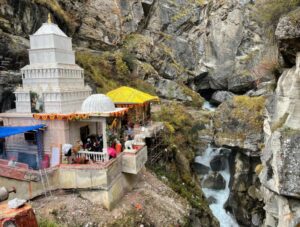
The Saraswati River appears briefly near Mana before vanishing underground, symbolizing divine wisdom and sacred knowledge.
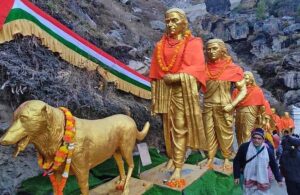
Pandava Swargapatha is the legendary route taken by the Pandavas toward heaven, representing renunciation, faith, and the soul’s final journey.
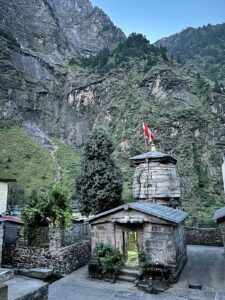
Yogadhyan Badri is the sacred temple where Lord Vishnu is worshipped in deep meditation, reflecting inner stillness and divine consciousness.
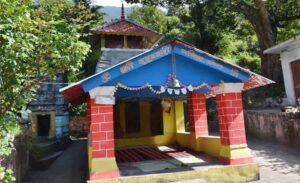
Vriddha Badri is believed to be the earliest Badri shrine where Lord Vishnu was worshipped before the manifestation of Badrinath.
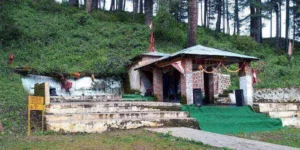
Bhavishya Badri is prophesied to become the primary seat of Lord Vishnu’s worship when access to Badrinath becomes difficult in future ages.
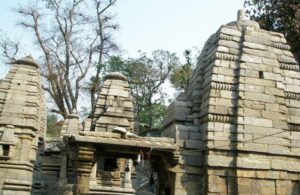
Adi Badri is a cluster of ancient Vishnu temples established by Adi Shankaracharya, marking the earliest Badri worship tradition.
Stay arrangements, local travel support, temple darshan assistance, spiritual sessions, and continuous on-ground coordination during the yatra.
Personal spending, special rituals or offerings, extra refreshments, and any services not clearly listed under inclusions.
Devotees of the Ramayana, Sri Vaishnava followers, families seeking spiritual travel, senior pilgrims, and participants of bhagavatha satsang groups.
Light cotton attire, comfortable footwear for walking, regular medicines, a small diary for notes, drinking water bottle, and a simple shawl for temple entry.