Inclusions
Stay arrangements, local travel support, temple darshan assistance, spiritual sessions, and continuous on-ground coordination during the yatra.


Vrajabhoomi, known as Mathura, Gokulam, and Vrindavanam, is one of the 108 Divya Desams and the sacred land where Lord Sri Krishna was born, raised, and performed His divine leelas.
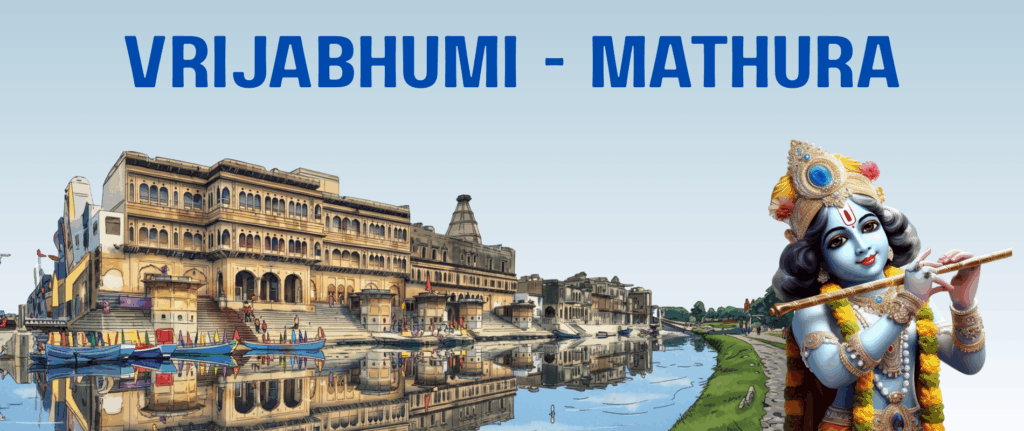
Vrajabhoomi is one of the most sacred 108 Divya Desams, revered as the eternal land of Lord Sri Krishna, and is known by three divine names — Mathura, Gokulam, and Vrindavanam. Together, these three holy kshetrams represent the complete divine journey of Lord Krishna, from His birth to His childhood and His transcendental leelas.
Vrajabhoomi (Mathura) is celebrated as the Divine Birthplace and Leela Bhoomi of Lord Sri Krishna. It is here that the Supreme Lord incarnated to restore dharma and bless humanity. The Moolavar worshipped at Mathura includes Sri Krishna Swamy, Sri Keshava Perumal, Sri Govinda Perumal, Sri Vasudeva Perumal, Sri Nandagopala Swamy, and Sri Mukunda Perumal. The presiding Thayar at Mathura is Sri Sathyabhama Nachchiyar, who represents divine grace and devotion.
Vrajabhoomi (Gokulam) is revered as the Divine Childhood Land of Lord Sri Krishna, where He was lovingly nurtured by Nanda Maharaja and Yashoda and performed many of His early divine leelas. The Moolavar worshipped here are Sri Krishna Swamy, Sri Nandagopala Swamy, Sri Govinda Perumal, Sri Keshava Perumal, and Sri Mukunda Perumal. The Thayars of Gokulam are Sri Rukmini Thayar and Sri Sathyabhama Thayar, symbolizing divine companionship and unwavering devotion.
Vrajabhoomi (Vrindavanam) is honored as the Divine Leela Bhoomi of Lord Sri Krishna, where His enchanting pastimes with the Gopis unfolded and where divine love reached its highest spiritual expression. The Moolavar worshipped in Vrindavanam include Sri Krishna Swamy, Sri Govinda Perumal, Sri Keshava Perumal, Sri Madhusudhana Perumal, and Sri Mukunda Perumal. The presiding Thayar here is Sri Radha Thayar (Sri Radharani Thayar), who embodies supreme devotion and eternal love for the Lord.
The glory of Thiru Vrajabhoomi Divya Desam was sung by Thirumangai Alwar, the revered Alwar saint who performed Mangalasasanam in praise of Lord Sri Krishna at this sacred kshetram. Thirumangai Alwar composed eleven (11) pasurams, which are recorded in the Nalayira Divya Prabandham, eternally praising the divine presence of Lord Krishna across Mathura, Gokulam, and Vrindavanam.
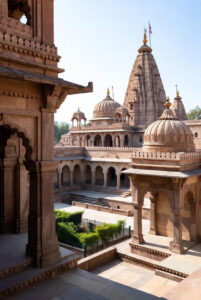
Mathura is the Janmabhoomi of Lord Sri Krishna, revered as the sacred city where the Lord took birth to protect dharma and bless humanity with divine love.
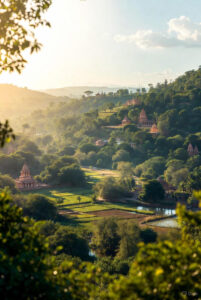
Vrindavan is the sacred land of Krishna’s most enchanting leelas, where the Lord played with the gopis and filled every grove and riverbank with divine devotion and bliss.
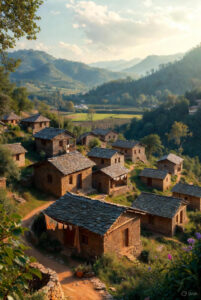
Nandagaon is the holy abode of Nanda Maharaja, where Lord Krishna was lovingly raised and nurtured, reflecting divine parental affection and care.
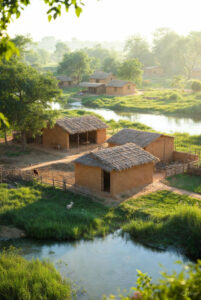
Gokul is the sacred village where Lord Krishna spent His early childhood, performing playful leelas that continue to inspire devotion and joy among devotees.
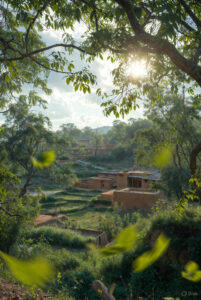
Rawal is revered as the birthplace of Srimati Radharani, the eternal consort of Lord Krishna and the embodiment of supreme devotion and divine love.
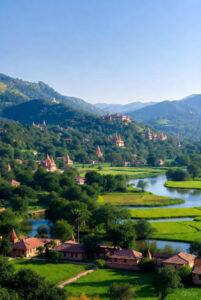
Govardhan is the holy hill lifted by Lord Krishna to protect the people of Vraja, symbolizing the Lord’s boundless compassion and divine protection.
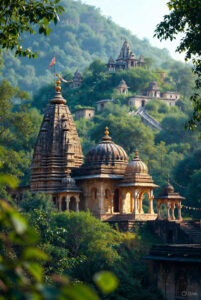
Barsana is the sacred abode of Srimati Radharani, renowned for its vibrant devotion, divine leelas, and the eternal love shared between Radha and Krishna.
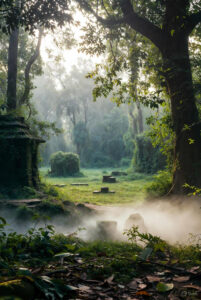
Beyond the well-known kshetrams, Vrajabhumi holds numerous lesser-known sacred places where Lord Krishna’s divine presence still lingers, drawing devotees into deeper spiritual experience.
Stay arrangements, local travel support, temple darshan assistance, spiritual sessions, and continuous on-ground coordination during the yatra.
Personal spending, special rituals or offerings, extra refreshments, and any services not clearly listed under inclusions.
Devotees of the Ramayana, Sri Vaishnava followers, families seeking spiritual travel, senior pilgrims, and participants of bhagavatha satsang groups.
Light cotton attire, comfortable footwear for walking, regular medicines, a small diary for notes, drinking water bottle, and a simple shawl for temple entry.